
Overlooking internal and external linking in your SEO strategy can cripple your rankings. Understanding what internal and external linking in SEO means is a fundamental part of on-page SEO, since without these links, search engines struggle to crawl your site properly, leading to lost traffic and visibility.
| A large number of websites miss the full potential of linking, which puts them at a disadvantage. Mastering external links and SEO together can unlock stronger growth for your site, especially when applied with the right strategy. |
But what really happens when these links are structured with purpose and consistency across your website?
What Is An Internal Link?
When understanding what is internal and external linking in SEO is, it starts with internal links. An internal link is a hyperlink that connects pages or resources within the same website or domain. Internal links enhance navigation, distribute ranking power (link equity), and improve user engagement.
These links help search engines crawl and index pages, boosting your site’s SEO and reinforcing its structure. Internal links can be structural, like menus, or contextual, embedded within content, highlighting important pages.
What Is An External Link?
To fully understand external links and SEO, many people ask, are external links good for SEO? The answer is yes, as long as they point to relevant, trustworthy sources that add value to your content. An external link is a hyperlink that directs users from your website to a different domain, and it enhances your website’s SEO by signaling relevance and trustworthiness to search engines, especially when it points to high-quality sources.
External links help build credibility and add value to users by linking to resources such as articles, research studies, or partner sites. Unlike backlinks, which come from other sites to yours, external links serve as “votes” that boost your site’s authority, which is exactly why professional link building services focus on earning them from reputable, relevant domains.
Internal Links Vs External Links For Greater SEO Impact
Learning internal and external linking SEO gives a clearer view of how both link types affect rankings, crawlability, and authority. Internal linking and external linking in SEO strategy directly impact how search engines evaluate your site structure.
To clearly understand what is internal and external linking in SEO and how each contributes to SEO success, here’s a comparison of their key features:
| Feature | Internal Links | External Links |
| Destination | Internal Links stay within the same domain, meaning every click keeps users on your website instead of sending them away. It helps strengthen your site structure, improves user flow, and ensures all traffic remains focused on your own content and services. | External Links direct users to a different domain and guide readers from your website to other online sources. External Links help expand content reach while showing search engines that your page connects with relevant and useful information across the web. Improved credibility, context, and content depth are achieved. |
| SEO Impact | Internal Links distribute SEO value across your own pages by passing authority from strong pages to weaker ones. It helps improve rankings across your website, supports better indexing, and ensures important pages gain more visibility in search engines, improving overall organic performance and site growth. | External links also pass SEO value to another website by signaling trust and relevance to search engines. When you link to authoritative sources, search engines understand relationships between content and improve overall ranking signals for both sites. Supports stronger link equity flow across the web. |
| Control | Internal Links are fully under your control, giving you the power to decide how pages connect and how users move through your site. You can update, remove, or optimise them anytime to strengthen site structure, improve SEO performance, guide user journeys, and keep your content organised, relevant, and easy to navigate. | One key aspect of External Links is that once the link is created. After publishing, you cannot manage changes on the destination page, which means content may be updated or removed without your influence. Regular link checks are important to maintain quality and relevance. |
| Purpose | Internal Links enhance navigation and keep users engaged on your site by guiding them to related content. It improves time on site, reduces bounce rate, and helps visitors easily find what they need, creating a smoother browsing experience and encouraging deeper interaction with your website pages. | External Links add value by referencing trusted external sources that support your content and improve user understanding. Pointing readers to reliable information strengthens trust and improves content quality. It also enhances overall SEO performance, authority, and long-term visibility across search results. |
Internal and external links boost SEO, improve navigation, and build credibility. Using both strategically strengthens your site’s structure, authority, and visibility in search results. Learning the difference between internal and external linking with an SEO specialist will help you create a more balanced strategy, improve user experience, and increase organic traffic through better content connections.
Why Are Internal Links Important For SEO?
Increased User Engagement
Internal links keep visitors engaged by directing them to more relevant content on your site. It becomes even more effective when you clearly apply what is internal and external linking in SEO within your content structure.
These links not only improve user experience but also increase the likelihood of turning casual visitors into loyal customers or followers. With clear calls-to-action, internal links prompt users to take the next step, like reading more, contacting you, or scheduling a visit.
For example, a blog post on digital marketing can link to a service page, prompting users to schedule a consultation with one click. Seamless navigation enhances engagement, builds your site’s authority, drives conversions, and delivers real, measurable results. Every click becomes a meaningful step toward establishing lasting relationships and accelerating business growth.
Enhanced Search Engine Visibility
Internal links enhance your website’s visibility on search engines by making it easier for search engine bots to crawl your pages. Descriptive, keyword-rich anchor text helps search engines understand the content of linked pages, improving relevance and boosting SEO. A well-organized internal linking structure improves your site’s overall search engine performance, ensuring better visibility in search results.
To maximize the impact of internal links on your SEO, consider these tips:
- Use relevant anchor text: Choose descriptive, keyword-rich text to reflect the linked page’s content.
- Link to important pages: Direct links to high-priority pages, such as service pages or key blog posts, to boost authority.
- Create a logical structure: Organize links in a clear, hierarchical manner to make navigation easy for both users and search engines.
Strategically using internal links with optimized anchor text can significantly enhance your site’s visibility in search results, driving more organic traffic.
Improved Crawl Efficiency
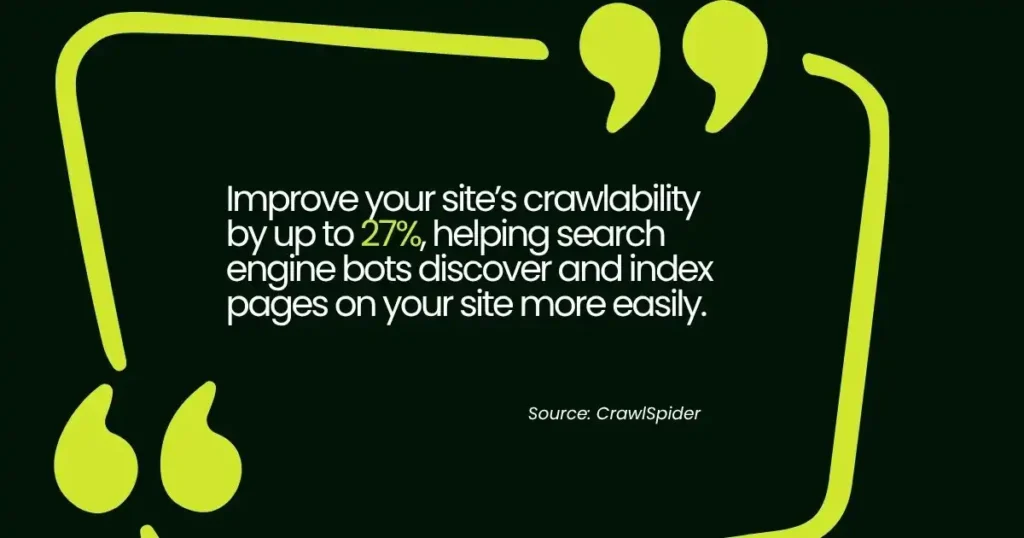
A strong internal linking strategy can improve your site’s crawlability by up to 27%, helping search engine bots discover and index pages on your site more easily. An organized internal linking system allows crawlers to navigate your content without barriers, increasing the chances that all important pages are indexed and appear in search results.
For example, linking a blog post on “SEO Best Practices” to related articles like “How to Optimize Meta Descriptions” ensures search engines find and index both pages quickly.
A well-structured internal linking strategy enhances search engine crawlability and ensures valuable pages are indexed. It reflects how what is internal and external linking in SEO directly impacts visibility and rankings.
Why Are External Links Important For SEO?
Increased Credibility
External links help build your website’s credibility. Applying what is internal and external linking in SEO ensures your outbound links strengthen trust and relevance. Linking to high-quality, authoritative websites increases trust with both users and search engines. However, low-quality or spammy links can harm your reputation and negatively affect rankings.
To boost your credibility, follow these 6 steps and take action now:
- Linking to authoritative sites: Choose trusted, relevant sources.
- Staying relevant: Only link to content directly related to your page.
- Avoiding bad links: Disassociate from spammy or irrelevant sites.
- Diversifying your sources: Don’t rely on just one website.
- Auditing links regularly: Ensure your links are valuable and up to date.
- Focusing on user value: Prioritize links that improve the reader experience.
Linking to authoritative sites signals to search engines that your content is well-supported by trusted resources, boosting your credibility without negatively impacting search rankings.
Enhanced Website Authority
External links are a powerful tool for boosting your website’s authority. Linking to high-ranking, relevant pages signals to users and search engines that your content is credible and backed by trusted sources. The value increases when linking to authoritative pages closely aligned with your topic.
For example, referencing a renowned medical journal like The Lancet strengthens credibility and overall authority.
To maximise results, apply these practices:
- Link to high-authority sites
- Ensure relevance to your content
- Diversify trusted sources
Following these practices helps improve SEO performance and build long-term authority.
Potential For Increased Website Traffic
Linking to external sites can create a valuable cycle where they may link back to you, driving more traffic to your website. The more authoritative sites you link to, the more likely they are to recognize and reciprocate, sending their audience your way.
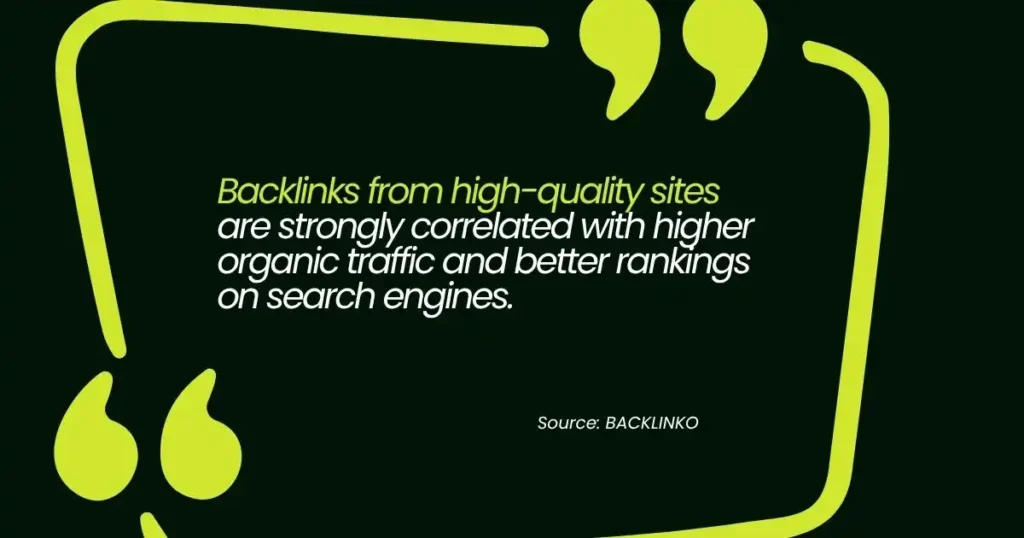
Backlinks from high-quality sites are strongly correlated with higher organic traffic and better rankings on search engines. External links open new traffic channels, exposing your content to targeted audiences.
When reputable sites link back to you, it boosts traffic and enhances long-term SEO growth. Integrate external links into your seo strategy with an SEO expert to accelerate your site’s visibility and drive consistent traffic growth
Unlock Higher Visibility Now with Powerful Linking Strategies
A balanced approach to internal and external links in SEO helps improve rankings, strengthen authority, and create a clearer structure for both users and search engines.
Mastering internal and external linking in SEO supports long-term visibility and stronger organic performance. Internal and external linking in SEO should be applied consistently across content to maintain strong SEO signals. Failing to optimize them means missing valuable opportunities for higher rankings and better user engagement.
At Sam SEO Philippines, we specialize in creating well-structured links that boost your website’s authority and visibility. Contact us today to optimize your SEO and stay ahead of the competition.
FAQs About External And Internal Links
What is the difference between a dofollow and a nofollow link in SEO?
A dofollow link allows search engines to pass link equity, which can boost the linked page’s rankings. A nofollow link prevents search engines from following the link, meaning it doesn’t contribute to ranking power. While nofollow links don’t affect rankings directly, they can still drive traffic. A professional link insertion service can help place both link types strategically, while internal and external linking in SEO uses them to control how authority flows across pages.
How can I track the effectiveness of my internal and external links?
You can use Google Analytics to monitor user engagement and track how visitors interact with your links. Google Search Console provides insights into how search engines crawl your links and how they impact traffic. Tools like Ahrefs or SEMrush also help track backlinks and link performance.
How do I recover from a penalty caused by bad backlinks?
Start by identifying toxic backlinks using tools like Google Search Console or Ahrefs. Disavow harmful links through Google’s Disavow Tool or request link removal from webmasters. It may take weeks or months for recovery, depending on the severity of the penalty.
What is link equity, and how does it affect my site’s rankings?
Link equity is the value passed from one webpage to another through hyperlinks. It helps search engines evaluate the authority and relevance of linked pages. Pages with higher link equity are likely to rank higher in search engine results.
Are external links good for SEO?
Yes. External links are good for SEO when they point to relevant, authoritative, and trustworthy websites. Linking to credible sources helps search engines better understand your content while giving readers access to useful information. Focus on adding external links that support your topic and provide real value, instead of linking solely to improve rankings.