
Ranking on page 4 is the same as not ranking at all. Sound familiar?
Creating great content is only half the battle. Without on-page SEO, even the best articles remain hidden. On-page SEO is the key that signals to search engines why your content matters and why it should rank higher. If you’re wondering why your competitors outrank you, the answer is likely in your SEO strategy.
Want to know why on-page SEO is important for boosting your rankings and getting Google’s attention?
What Is On-Page SEO And Why Is It Important?
On-page SEO optimizes web pages by improving content, HTML tags, and structure to enhance search rankings and attract organic traffic. It boosts visibility by ensuring content matches user intent with optimized title tags, meta descriptions, headers, and clean URLs.
Factors like fast load speeds, mobile optimization, and internal linking are important. Proper on-page SEO enhances search rankings, increases traffic, improves user experience, and boosts conversion rates, helping websites perform better in search engines and engage users effectively.
Top 7 Strategies for On-Page SEO and Higher Rankings
1. Helps Search Engines Understand Content
Search engines are constantly crawling pages to determine their relevance. If your content is poorly structured, even great material can get buried. Proper organization matters, as search engines prioritize well-structured content. Using a clear hierarchy with H1, H2, and H3 subheadings will improve visibility and ranking.
Use a single H1 tag with your target keyword, followed by a clear hierarchy of H2 and H3 subheadings. Include descriptive alt text for images and schema markup to tell search engines exactly what your page is about, whether it is an article, product, or FAQ. Without these elements, your page risks being overlooked in search rankings.
For example, if you optimize a page for “SEO best practices,” including the keyword in the H1 tag, using well-organized subheadings, and adding schema markup will help search engines quickly recognize the page’s topic and relevance. With everything properly structured, search engines will easily understand your page and rank it appropriately.
2. Optimizes Content For Keywords
Keywords remain the cornerstone of SEO, but it’s about covering a topic in-depth to establish authority with Google. Start by researching one primary keyword and 3–5 related secondary keywords using tools like Ahrefs, Semrush, or Google’s free Keyword Planner.
Optimize your content by:
- Primary Keyword: Include in the title, first paragraph, at least one subheading, and the URL.
- Secondary Keywords: Use naturally throughout the body.
- LSI Keywords: Add semantically related terms to signal depth.
For example, targeting “affordable SEO services in London” rather than “SEO services” attracts more qualified traffic. Without proper keyword optimization, your content risks being overlooked. Seize the opportunity to rank higher and drive targeted traffic.
3. Improves User Experience (Ux)
Google prioritizes pages that deliver a great user experience. If visitors leave quickly, causing a high “bounce rate,” Google interprets it as low quality, pushing your rankings down. On-page SEO focuses on people; search engines are secondary. It’s about creating an experience that keeps users engaged, encourages exploration, and builds trust.
To improve UX, use short paragraphs, clear subheadings, bullet points, and visuals. For longer posts, add a table of contents. Ensure fast load times, a clean layout, and relevant internal links. These optimizations signal to Google that your content is valuable, improving rankings and driving more traffic.
4. Boosts Page Loading Speed
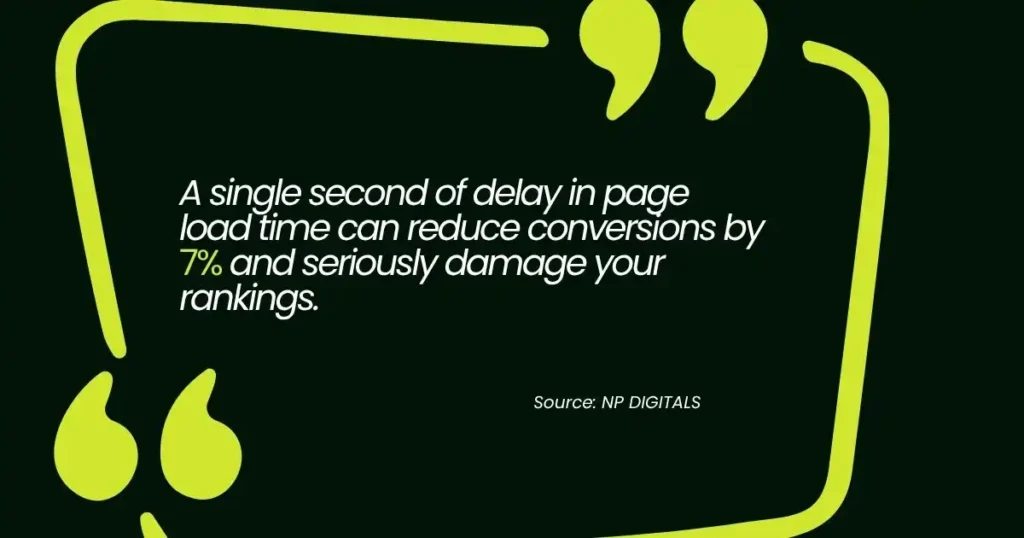
A single second of delay in page load time can reduce conversions by 7% and seriously damage your rankings. Page speed is a confirmed Google ranking factor, and it matters more than ever on mobile, where users expect instant access.
If your site isn’t optimized, you’re losing traffic and rankings. Compress and size your images properly (WebP is best), enable browser caching, minify CSS and JavaScript, and use a content delivery network (CDN). Regularly test your speed with Google PageSpeed Insights and aim for a score above 90 on both mobile and desktop.
The faster your site, the better the user experience, lower abandonment rates, and higher chances of climbing the rankings.
5. Supports Mobile-Friendly Design
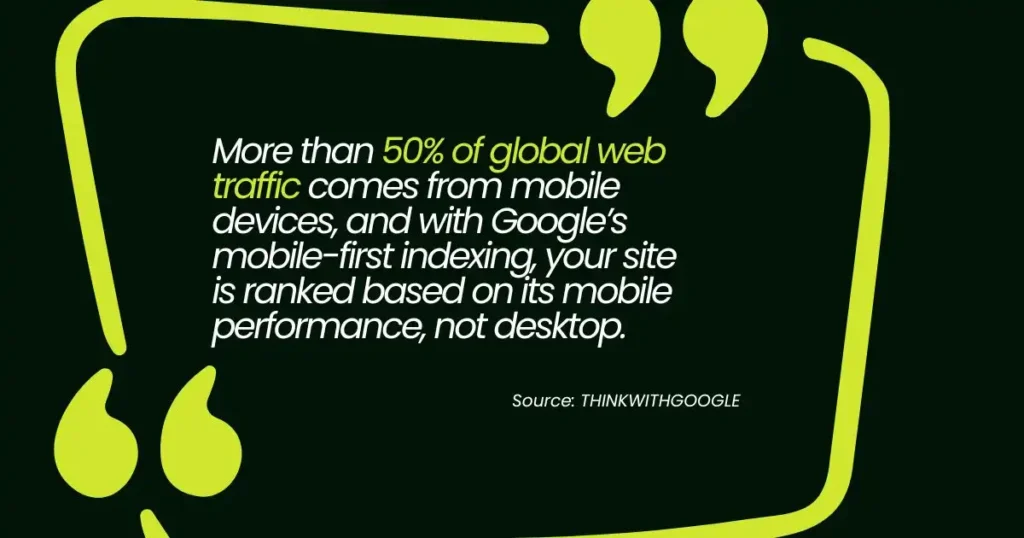
More than 50% of global web traffic comes from mobile devices, and with Google’s mobile-first indexing, your site is ranked based on its mobile performance, not desktop. If your site isn’t optimized for mobile, you’re losing valuable traffic and risking lower rankings, regardless of how great your content is.
To ensure your site is mobile-friendly, follow these steps:
- Use a responsive design that adapts seamlessly to all screen sizes.
- Make buttons and links large enough to tap easily without frustration.
- Avoid pop-ups that block content or interfere with navigation on mobile.
- Regularly test your site using Google’s Mobile-Friendly Test tool to check for issues.
If your site isn’t mobile-optimized, you risk higher bounce rates and lower engagement, leading to a decline in rankings. Optimize for mobile now or fall behind your competitors.
6. Improves Click-Through Rates (Ctr)
Ranking on page one is meaningless if users don’t click your link. Your title tag and meta description serve as your ad in the search results, and they must be compelling enough to stand out.
To boost CTR, write title tags that include your target keyword and a clear benefit or hook. Numbers work well, such as “7 strategies” or “5 mistakes to avoid.” Keep titles under 60 characters for maximum impact. For meta descriptions, expand on the title and include a strong call-to-action like “Learn how” or “Find out why,” aiming for 150-160 characters.
Example:
- Title Tag: “7 Proven Strategies to Boost Your SEO in 2023”
- Meta Description: “Learn how to improve your website’s SEO with these 7 expert strategies. Find out why these tactics are essential for better rankings and traffic.”
Refining your title and description can significantly increase your CTR. Search engines see high CTR as a sign of relevance, which can further boost your rankings.
7. Builds Content Relevance And Authority
Long-term SEO success comes from establishing your site as the go-to authority in your niche, also known as topical authority. This authority grows over time, improving your credibility with Google and boosting your rankings.
To build authority, use a content cluster strategy. Start with a comprehensive “pillar post” covering a broad topic, then create detailed supporting articles on related subtopics, each linking back to the pillar. Internal linking shows Google how your content is connected and helps improve SEO.
High-quality content that aligns with user intent keeps visitors engaged, boosts dwell time, and encourages sharing. Over time, this reinforces your site’s authority and leads to better rankings.
How To Implement On-Page SEO Strategies
Understanding why on-page SEO is important for improving organic rankings and enhancing user experience. Optimizing each element on your page directly influences search rankings and user engagement, driving better visibility and traffic.
Start with keyword-rich title tags, meta descriptions, and a clear H1–H6 structure. Include your primary keyword within the first 100 words, URL slug, and image alt text. Compress images, minify CSS and JavaScript, and keep load times under 2.5 seconds to meet Core Web Vitals.
Align content with search intent, strengthen internal linking, and use JSON-LD schema to unlock rich snippets. On-page SEO is your strongest lever for long-term success.”
Start Improving Your On-Page SEO Today
On-page SEO is the backbone of effective digital marketing. Without it, even the best content risks being buried. From meta title and description optimization to content structure and internal linking, every element plays a role in improving visibility. Following the strategies outlined here helps your site stand out to both search engines and users. The work you put into on-page SEO today can lead to higher rankings, more traffic, and greater success over time.
Ready to see your website rise through the ranks? At Sam SEO Philippines, we specialize in on-page SEO strategies that help businesses boost their search engine visibility, drive more traffic, and achieve long-term success. Don’t let your hard work go to waste. Contact us today, and we’ll help you maximize your site’s potential and drive real results!
FAQs About On-Page SEO And Rankings
How Many Backlinks Are Needed For First-Page Ranking?
There’s no exact number of backlinks required to rank on page one. What matters more is the quality and relevance of the backlinks you acquire. Aim for backlinks from authoritative and relevant sources within your niche to improve your chances.
Can On-Page SEO Alone Guarantee Better Rankings?
While on-page SEO is essential for better rankings, it’s not enough on its own. Effective SEO also requires off-page efforts like backlinks and technical optimizations. Combining on-page, off-page, and technical SEO is the best strategy for ranking higher.
Which Tool Is Best For Real-Time SEO Analysis?
For real-time SEO analysis, tools like Ahrefs, SEMrush, and Moz are widely used. Google Search Console is also a great option for tracking website performance. These tools help monitor rankings, identify issues, and track SEO progress in real-time.
How Long Until On-Page SEO Changes Show Results?
On-page SEO changes can take anywhere from a few weeks to a few months to show results. The time it takes depends on factors such as the site’s authority, competition, and how significant the changes are. Be patient, as SEO improvements take time to reflect in rankings.