
Local businesses are losing search rankings to competitors who figured out one thing they haven’t. Studies show that 46% of all Google searches are looking for local information, and every unearned local backlink is an opportunity your competitors are already taking. While you chase generic links, the smartest SEO professionals are quietly stacking geographically relevant backlinks from local news sites, chambers of commerce, and nearby industry blogs, and Google is rewarding every single one of them.
Local backlinks signal exactly where you operate and who you serve, giving your site an edge that broad, untargeted link building cannot replicate. If you run a brick-and-mortar shop, a local service business, or a regional brand looking to dominate your city, these 10 proven tactics will show you how to get local backlinks that build real authority, drive targeted referral traffic, and push your rankings above your competitors.
What Are Local Backlinks And Why Do They Matter?
If you have been wondering how to get local backlinks that actually move the needle, the answer starts here.
Local backlinks are inbound links from websites within your geographic area or platforms contextually relevant to your local market. Think city directories, regional news outlets, local business associations, community event pages, and nearby industry blogs.
These links matter for three core reasons:
- They reinforce your local relevance signal: Links from sources within your service area tell Google exactly where your business operates and who it serves.
- They build domain authority through credible, community-rooted sources: A link from a regional chamber of commerce or local news outlet signals trust in a way generic directories cannot replicate.
- They drive referral traffic from local audiences already primed to convert: Visitors coming from neighborhood directories or regional event pages are already in your market, making every click higher in commercial intent.
How To Get Local Backlinks Using 10 Tactics
Learning how to get local backlinks does not happen by accident. It takes a deliberate mix of tactics, each targeting a different type of local source. The table below breaks down 10 proven approaches and the specific SEO benefit each one delivers.
| Tactic | Key SEO Benefit |
| Local Directory Listings | Consistent NAP signals boost Google Business Profile trust |
| Sponsor Local Events | High-authority .org/.edu backlinks with community relevance |
| Local Guest Posting | Targeted referral traffic from niche-relevant local audiences |
| Broken Link Building | White-hat links from authoritative local resource pages |
| Chamber of Commerce | Trusted local backlinks that validate your business credibility |
| Local News & PR | High-DA media links that accelerate domain authority growth |
| Scholarship/Resource Pages | .edu backlinks that carry significant SEO weight |
| Partner Cross-Links | Mutual authority building within your local business ecosystem |
| Community Involvement | Brand mentions that convert into natural local backlinks |
| Unlinked Brand Mentions | Turns existing buzz into direct link equity gains |
Each tactic in the table targets a different corner of your local link ecosystem. What follows is a step-by-step breakdown of how to put every single one into action.
Tactic 1: Submit Your Business to Local Directories
Local directory submissions are the foundation of any local link building strategy, and often the first tactic covered under broader link building services. Platforms like Google Business Profile, Yelp, Bing Places, and niche-specific city directories all offer backlinks that reinforce your local presence. The key is consistency. Your business name, address, and phone number (NAP) must match exactly across every directory.
For example:
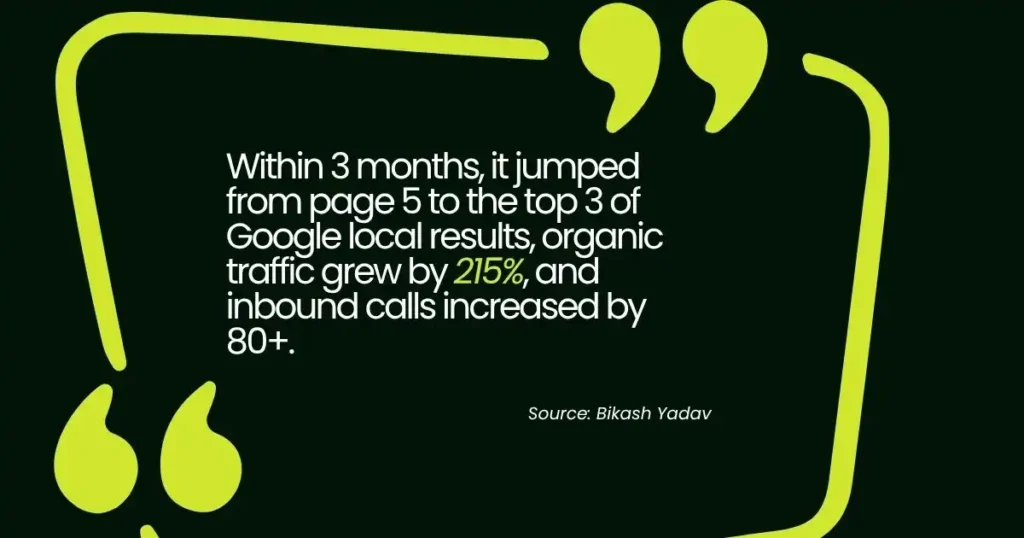
A residential HVAC company in Madison, Alabama audited its citations and ensured its name, address, and phone number matched exactly across 50+ directories. Within 3 months, it jumped from page 5 to the top 3 of Google local results, organic traffic grew by 215%, and inbound calls increased by 80+. The only thing that changed was consistency.
How to Execute This Tactic
- Audit your existing directory listings with a tool like BrightLocal or Semrush Local
- Identify gaps where your business is missing from relevant directories
- Submit to general directories first (Google, Yelp, Yellow Pages, Apple Maps)
- Then target city-specific and industry-specific directories in your niche
- Set a monthly reminder to check for inconsistencies and update listings
Tactic 2: Sponsor Local Events, Teams, or Nonprofits
Sponsoring a local charity run, youth sports team, or community festival is one of the fastest ways to earn local authority links from high-domain sources. Event organizers typically list their sponsors on dedicated web pages, and many of these pages live on .org or .edu domains that carry significant SEO weight.
Where to Find Local Sponsorship Opportunities
- Chamber of commerce event pages in your city
- Local nonprofit websites on Charity Navigator or Idealist
- School and university fundraising pages
- Community sports leagues and club websites
- Local festival and cultural event organizers
When you commit to a sponsorship, make sure to ask the organizer to include a live hyperlink back to your website, not just a logo. A linked logo earns the backlink. A static logo does not.
Tactic 3: Write Guest Posts for Local Blogs and News Sites
Guest posting remains one of the most proven link-building tactics when done with local targeting in mind. Instead of pitching national publications, focus on local business blogs, city lifestyle websites, regional industry publications, and community-driven news platforms.
How to Find Local Guest Posting Opportunities
- Search Google for: “[your city] + write for us” or “[your niche] + [city] + guest post”
- Use Semrush or Ahrefs to identify local blogs with solid domain authority
- Check which sites are already linking to your local competitors
- Build a relationship with the editor or site owner before pitching
- Pitch a topic that genuinely serves their local audience, not just your SEO goals
Your guest post should solve a real problem for local readers. A plumber writing about winterizing pipes for homeowners in Minnesota will earn engagement and links. A generic guest post stuffed with keywords earns nothing. For businesses targeting Philippine niche links, this same principle applies: write for a local Filipino audience first, and the backlinks will follow naturally.
Tactic 4: Use Broken Link Building on Local Resource Pages
Broken link building is a white-hat SEO technique where you find dead links on locally relevant websites, then reach out to offer your content as a replacement. Resource pages, local business directories, and community guide pages accumulate broken links over time, creating a perfect opportunity for you to step in.
Step-by-Step Broken Link Building Process
- Use Screaming Frog or Check My Links (Chrome extension) to crawl local websites and resource pages
- Identify 404 errors on pages relevant to your city or industry
- Check the Wayback Machine to find out what content originally lived at the dead URL
- Create or match that content on your own website
- Send a short, personalized email to the site owner pointing out the broken link and offering your replacement
Tactic 5: Join Your Local Chamber of Commerce
Chamber of commerce websites are among the most authoritative local backlink sources available. Most chambers offer member directory pages that include a live link to your website. These pages are indexed by Google, updated regularly, and treated as credible local validators.
Beyond the backlink itself, chamber membership opens doors to other local authority links you cannot easily get anywhere else. You get access to networking events, speaking opportunities, and partner organizations that may link back to your business from their own websites.
How to Maximize Your Chamber Membership for SEO
- Complete your member profile with full business details and a link to your site
- Volunteer to write content or tips for the chamber newsletter (often published on their website)
- Participate in member spotlights or business of the month features
- Partner with other chamber members for cross-linking opportunities
Tactic 6: Get Featured in Local News and Media
A single backlink from a regional newspaper website or local TV station can do more for your domain authority than dozens of generic blog links. Local media backlinks are highly trusted, widely crawled, and signal to Google that your business is a recognized entity in your community.
How to Get Local Media Coverage
- Send press releases to local news outlets when you open a new location, launch a new service, or hit a milestone
- Offer to be a local expert source for journalists covering your industry
- Use HARO (Help a Reporter Out) filtered for local queries
- Partner with local reporters on data-driven stories relevant to your city
- Pitch unique angles that connect your business to trending local topics
When pitching media, lead with the story value for their audience, not your business goals. Journalists link when you give them something genuinely newsworthy. Your grand opening alone rarely qualifies. Your community impact, local data, or human interest story often does.
Tactic 7: Create a Local Scholarship or Resource Page
Creating a scholarship for local students is one of the most effective ways to earn .edu backlinks. Universities, community colleges, and high school guidance pages routinely link to scholarship opportunities, and these .edu links carry exceptional authority in Google’s eyes.
How to Set Up a Local Scholarship for Backlinks
- Determine a scholarship amount (even $500 is enough to attract attention)
- Create a dedicated scholarship page on your website with eligibility requirements and application details
- Reach out to local college financial aid offices, school counselors, and scholarship aggregator sites
- Ask them to list your scholarship on their resources page with a link back to you
Even outside scholarships, you can create free local resource pages such as city guides, neighborhood service directories, or local industry reports. When these pages genuinely help residents, other local sites naturally link to them.
Tactic 8: Build Partnerships with Complementary Local Businesses
Strategic cross-linking with complementary local businesses is a legitimate and effective way to earn relevant local backlinks. The key word is complementary. You want to partner with businesses that serve the same local audience but do not compete with you directly.
For example, a local florist might partner with a wedding venue. A local plumber might cross-link with a local hardware store. A personal trainer might partner with a local nutritionist. These partnerships make sense to users and carry contextual relevance for search engines.
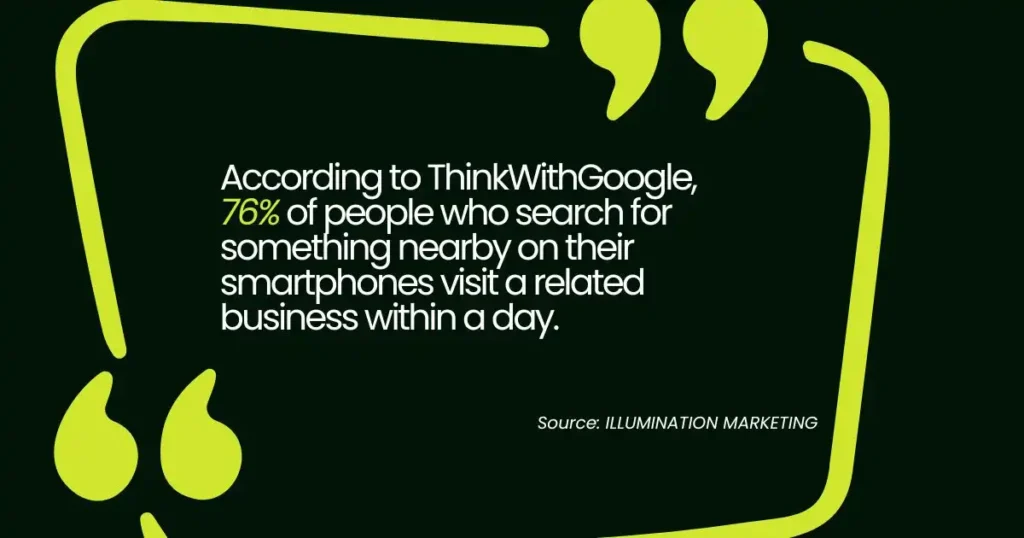
The numbers back it up. According to ThinkWithGoogle, 76% of people who search for something nearby on their smartphones visit a related business within a day, and 28% of those searches result in a purchase. When your business appears on a partner’s website, you are not just earning a backlink you are getting in front of high-intent local buyers who are ready to act
Partnership Link Building Best Practices
- Keep it natural: only link where it genuinely makes sense for your readers
- Avoid bulk reciprocal linking schemes, which Google can penalize
- Prioritize links placed within content over footer or sidebar links
- Formalize partnerships in writing so both parties remember to maintain the links
Tactic 9: Get Involved in Your Local Community Online and Offline
Community involvement is one of the most organic ways to earn local backlinks. When you host workshops, participate in local Facebook groups, support neighborhood initiatives, or speak at community events, you naturally generate mentions and links from local blogs, community boards, and event platforms.
Community Involvement Channels That Drive Local Links
- Local Facebook Groups and Nextdoor (engagement that drives offline recognition)
- Meetup.com event listings for workshops or networking events you host
- Local government and council websites that list community contributors
- Church, civic group, and neighborhood association newsletters that go online
- School and university alumni networks where your business story may be featured
The more embedded you become in your local community, the more naturally your brand earns mentions and links. This is slow-burn link building, but the backlinks it produces are among the most authentic and durable you can acquire.
Tactic 10: Find and Convert Unlinked Local Brand Mentions
An unlinked brand mention is when a local website references your business by name but does not include a hyperlink. These are some of the easiest backlink wins available because the author already knows your brand, has already validated you enough to mention you, and simply forgot to add the link.
How to Find Unlinked Local Brand Mentions
- Set up Google Alerts for your business name, branded keywords, and key staff names
- Use Semrush Brand Monitoring or Ahrefs Content Explorer to find unlinked mentions at scale
- Filter for mentions on local news sites, community blogs, and regional directories
- Check that the mention context is positive or neutral before reaching out
- Send a short, friendly email asking the author to add a link
Your outreach email should be brief and direct. Thank the author for mentioning your business, and make it easy for them by linking directly to the exact URL you want them to link to. Most will say yes because adding a link takes them less than 30 seconds.
Start Earning Backlinks That Move the Needle
Now that you know how to get local backlinks, you have a clear path to higher local search rankings, stronger domain authority, and a steady stream of geographically targeted referral traffic. The 10 tactics covered in this guide range from quick wins like directory submissions and unlinked brand mentions to long-term relationship builders like community involvement and local media coverage.
You do not need to execute all 10 at once. Start with two or three that align with your current resources, build your outreach rhythm, and add more tactics as your confidence and capacity grow. The most important step is the first one.
Ready to accelerate your local SEO growth? Partner with Sam SEO Philippines and let our team help you get local backlinks through a strategy built for your market, whether you are targeting Philippine niche links or expanding your reach to international audiences. Contact us today and let us get your business ranking where your customers can find it.
Frequently Asked Questions About Local Backlinks
What is the difference between a local backlink and a regular backlink?
A local backlink comes from a website that is geographically relevant to your service area, such as a city directory, local news outlet, or nearby business association. A regular backlink can come from any website regardless of location. For businesses targeting local customers, local backlinks carry extra relevance because they reinforce your geographic authority in Google’s local ranking algorithms.
How many local backlinks do I need to rank locally?
There is no fixed number. What matters more than quantity is the quality and relevance of the links. A business with 20 strong local backlinks from authoritative sources can outrank a competitor with 200 low-quality links. Focus on earning links from credible local sources rather than hitting a volume target.
Are local directory links still effective for SEO in 2025?
Yes, local directory links remain effective local SEO backlinks, particularly for reinforcing NAP consistency and local relevance signals. Their direct ranking impact has diminished compared to editorial links from local news or community sites, but they form an essential baseline for any local SEO strategy and should not be ignored.
Can broken link building work for local businesses?
Absolutely. Local resource pages, city guide websites, and community blogs accumulate broken links just like any other website. Finding and replacing those dead links with your own relevant content is one of the most cost-effective and white-hat ways a local business can earn high-authority backlinks.
How do I measure the ROI of local link building?
Track the following metrics using tools like Ahrefs, Semrush, and Google Search Console: number of new referring domains per month, changes in local keyword rankings, growth in organic and referral traffic from local sources, and improvements in your Google Business Profile impression and click data. The longer you apply these tactics on how to get local backlinks, the more ROI compounds, so measure on a 3-month and 6-month basis rather than week to week.